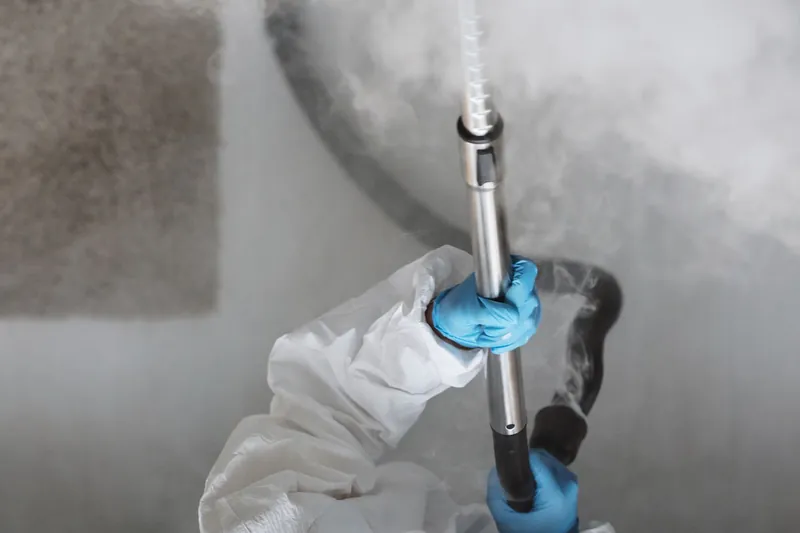
Infectious Disease Disinfection
Infectious disease disinfection with EPA-registered products and full surface coverage.
See infectious disease disinfectionGet high-touch surfaces cleaned and disinfected in a home, office, rental or shared space in Glen after illness or possible exposure. EPA-registered products are used according to their labels.
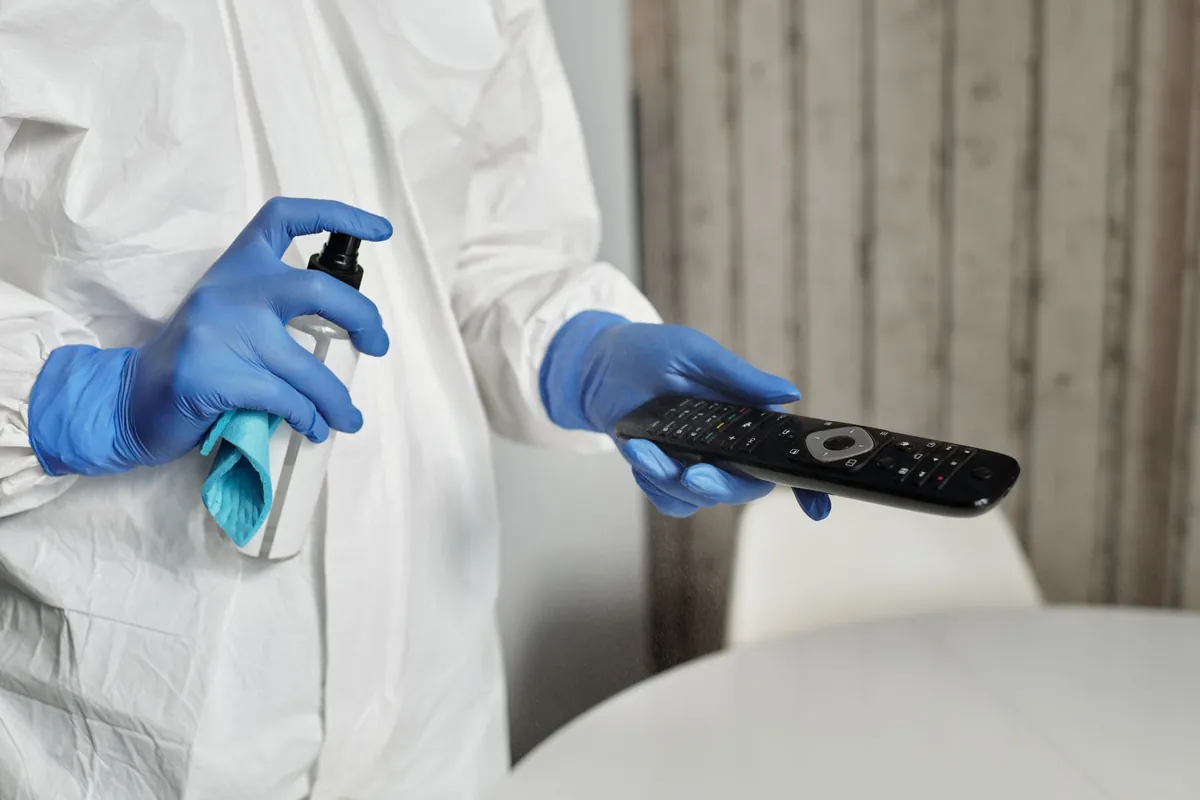
Targeted cleaning for affected rooms and commonly touched surfaces after suspected exposure or illness is known as COVID-19 and virus disinfection. Soil is removed before an EPA-registered disinfectant is applied and left for all of the contact time stated on its label.
Homes, schools, offices, restaurants, rentals, care settings and similar shared properties can be included. Technicians locate frequent touch points, including counters, desks, light switches, door knobs, restroom fixtures and communal equipment. Surfaces close to those points are considered as well when people could touch them while walking through the building.
Other names for this work include infectious disease cleanup, coronavirus cleaning, biohazard remediation, COVID-19 decontamination and biohazard decontamination. Unlike regular janitorial work, cleanup crews use protective equipment, a written scope and directions for each product so the steps are verifiable. This remediation does not take the place of ventilation, fresh air, washing your hands or remaining home while sick.
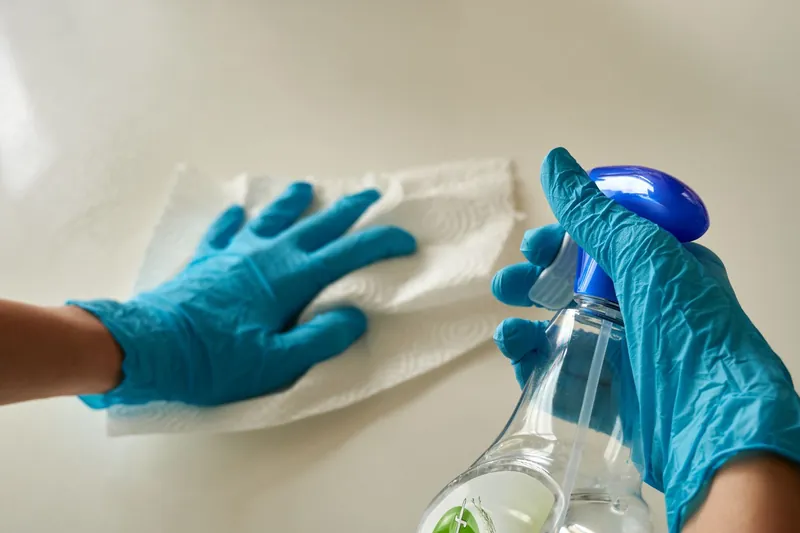
To move forward with reopening plans, you receive documentation of the disinfectant name and contact time from its label for the property.
For privacy that matters to you and your loved ones, unmarked vehicles are available, and technicians use protective gear while caring for personal property.
You can check which rooms, surfaces and special materials are included before the cleaning service starts. A clear scope helps you compare the work described.
For homes, shared properties, rentals, offices and restaurants, the scope can reflect the setting instead of using one approach for every situation.
A documented cleaning process for each room may be useful after an illness, suspected exposure or repeated occupancy by many people. Common reasons to arrange COVID-19 disinfection include:
After illness is reported or before another approved use, property owners may schedule cleaning for hotels, apartments or short-term rentals.
Cleaning can include restrooms, counters, dining areas and suitable back-of-house surfaces without incorrectly treating food or items that touch food.
Frequently touched surfaces in bedrooms, bathrooms, kitchens and shared living areas need careful cleaning after someone has been sick.
Focused cleaning may be needed for equipment, counters and other frequently touched spots in stores, gyms and customer-facing businesses.
First, restrict entry and collect accurate details about each room involved. Take these steps before cleanup technicians come inside:
Call (888) 440-9227Published guides do not include a stand-alone COVID-19 price. For comparable infectious disease disinfection, published guide figures run from $1,000 to $10,000. Actual scope varies based on the space and germ, how many rooms and surfaces are included, whether air-system work is part of the request and whether testing is wanted.
The figures shown are national ranges from published cost guides and are not based on an on-site visit. You learn what your property will cost after the on-site assessment and before any work begins.
Ask about cost: (888) 440-9227Coverage varies by policy and the reason for the work. Do not assume that homeowners, renters or business insurance will pay for preventive coronavirus cleaning. Ask the insurance company before work begins when time allows.
Retain photos and the invoice along with the product list and scope. The documents help with insurance assistance and let insurance companies verify which work was ordered and finished.
Routine disinfection may be treated as maintenance rather than a covered loss. Find out if a documented illness receives different treatment from another event under your policy.
For a rental property or shared space, responsibility for arranging cleaning may be shaped by the lease, local rules and location of the affected area.
Business owners need to check required records, communicable disease terms, deductibles and exclusions with the insurance company before depending on coverage.
A controlled sequence guides coronavirus biohazard decontamination. Assessment comes first, followed by cleaning, disinfection and a concluding check. Each product label directs the complete process, including the method used on individual surfaces.
You and the technicians examine the rooms, prior occupancy, delicate materials and frequently touched points before cleaning begins.
When needed, technicians mark or close the cleaning zone and select protective equipment such as gloves and eye protection to suit the environment and products.
Visible dirt and dust come off before disinfection because soil may prevent even contact between the disinfectant and surface.
An EPA-registered disinfectant is applied to compatible surfaces using the label's directions for concentration and coverage.
The surface is kept wet for the label's contact period and is not sprayed only to be wiped dry right away.
Instead of soaking them in a general spray, technicians treat shared electronics, soft materials and unfinished wood with item-specific methods.
Each room is reviewed against the checklist, paying close attention to switches, door pulls, shared equipment and fixtures.
You get the finished scope, details about the products and guidance covering ventilation, drying and when you may use the treated space.
Phone any hour. Your COVID-19 and virus disinfection specialist answers the phone, describes what happens next and works with you on a start time.
Illness exposure, incorrect chemical use and missed surface areas are the primary risks during disinfection. Careful planning reduces contact that can be avoided and limits serious health concerns, but it does not suggest that cleaning surfaces eliminates every way an illness may spread.
Safety does not always increase with more chemical. Mixing cleaners, choosing an unsuitable product or allowing inadequate ventilation can irritate people and harm fabric, wood, finished materials or electronics.
Shared tools, remote controls, faucet controls and door plates can easily be overlooked. A room-by-room checklist helps cover the full affected area.
A disinfectant needs to remain visibly wet for the time stated on its label. Wiping it dry too soon can keep it from working as intended.
Can you clean it yourself? If nobody is currently sick and there is no special exposure concern for the property, routine cleaning might be adequate. For a known illness, a large shared space, sensitive surfaces or a workplace that needs a clear scope, professional cleanup can help you follow product labels and cover the important touch points.
Virus disinfection usually treats surfaces rather than removing parts of the property. Compatible hard materials can be cleaned and disinfected. Porous belongings that are damaged or deeply soiled need a separate assessment.
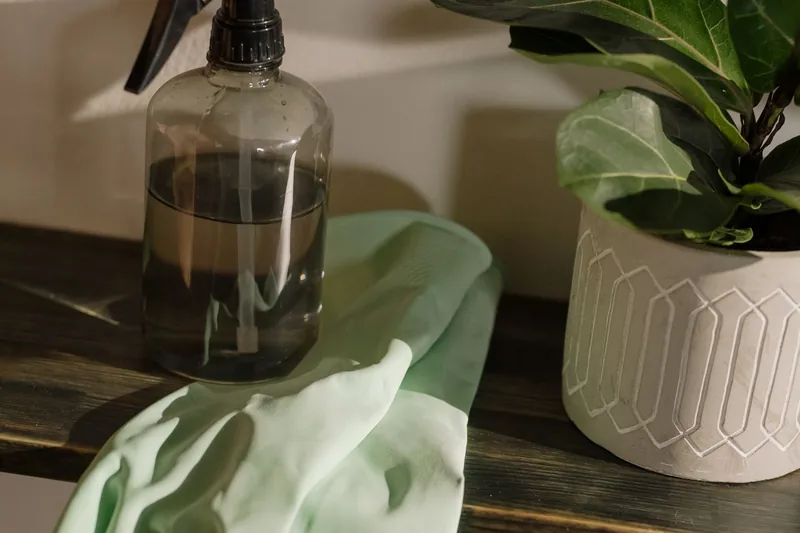
Use a surface-compatible, EPA-registered disinfectant for the target virus and obey its label on application, full contact time and dilution.
The label identifies where the disinfectant may be used, along with ventilation needs and applicable protective equipment.
Federal OSHA sets worker handling and protection requirements in Bloodborne Pathogens Standard 29 CFR 1910.1030 when potentially infectious materials or blood are found too.
Maryland calls this special medical waste, which can include blood-soiled articles. Maryland Department of the Environment rules control how it is handled, transported and treated, so it cannot go in household trash.
A targeted residential cleaning may last several hours. A larger office or commercial property with multiple rooms may need more time, sometimes across stages. Required contact times, room count, furniture volume and surface compatibility all affect the schedule.
The full COVID-19 and virus disinfection guide covers what is cleaned or removed, odor and air quality work, and the rules that apply in Baltimore City.
Read the full COVID-19 and virus disinfection guideContainment, entry and cleanup plans can be influenced by local housing, population and access details.
The nearest listed emergency facility is Sinai Hospital of Baltimore, about 0.9 miles away, so medical care remains separate from property cleanup.
The surrounding area includes Arlington, Pimlico Good Neighbors, and Woodmere, so cleanup travel may cross several local streets or municipal boundaries.
Properties within this Baltimore neighborhood may share alleys, entries, or parking, so equipment movement should be planned around nearby residents.
You can ask about cleanup in nearby communities and ZIP codes during the call.
Infectious disease disinfection with EPA-registered products and full surface coverage.
See infectious disease disinfection
Cleanup in gyms, residences and care settings addresses C. diff, norovirus and MRSA.
See mrsa, c. diff and norovirus cleanup
Planning for industrial and commercial biohazard cleanup considers operations and access to the site.
See commercial and industrial biohazard cleanup
Biohazard cleanup addresses care homes, medical clinics and healthcare settings.
See hospital and healthcare biohazard cleanup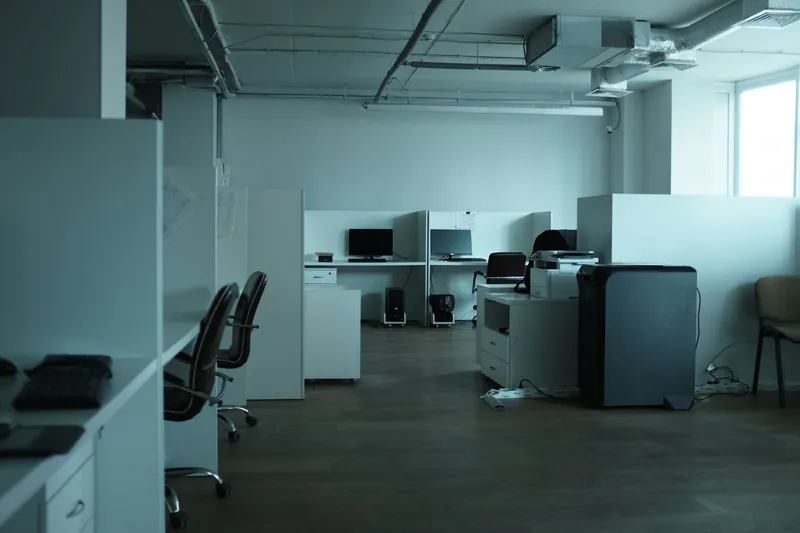
Office and workplace biohazard cleanup after injuries or exposures.
See office and workplace biohazard cleanup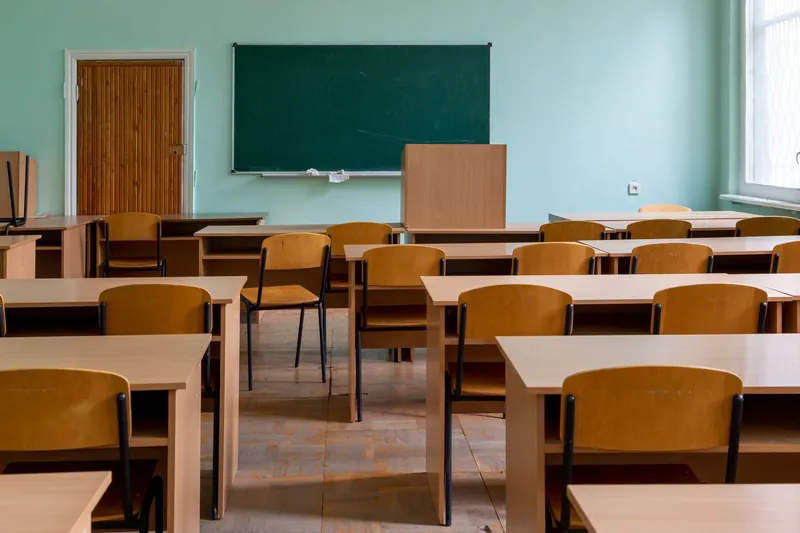
Outside teaching hours, biohazard cleanup treats daycare and school facilities.
See school and daycare biohazard cleanup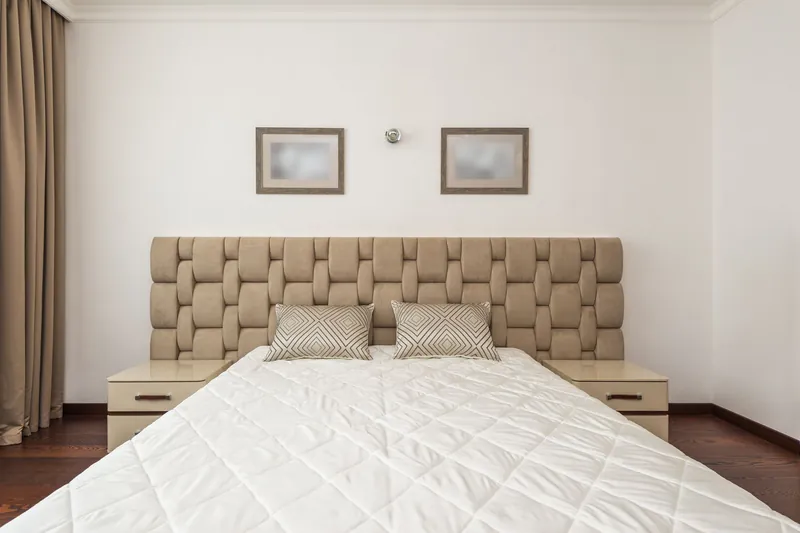
Hotels, rental properties and Airbnb units receive biohazard cleanup.
See hotel, airbnb and rental biohazard cleanup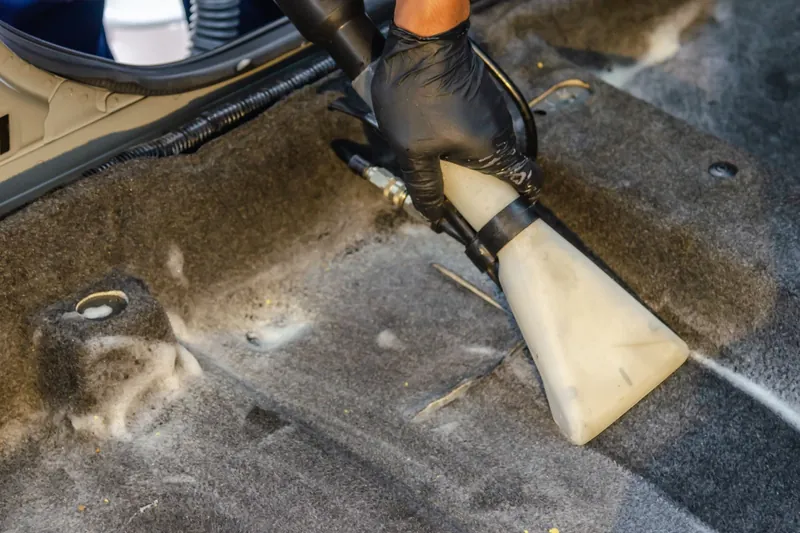
Carpet and upholstered items receive biohazard cleaning or are removed safely if necessary.
See biohazard carpet and upholstery cleaningAlcohol-based hand sanitizer can reduce germs on your hands when soap and water are not available. Use a product with at least 60 percent alcohol and rub all hand surfaces until dry. Rooms, electronics and furnishings should not be disinfected with hand sanitizer, which is intended for hands. When your hands look dirty, wash them using water and soap.
Begin by cleaning visible soil, then use an EPA-registered disinfectant appropriate to the surface and virus being targeted. Apply full coverage and let the surface remain wet throughout the label's contact period. Follow label requirements for protective equipment and ventilation, and keep every cleaning chemical separate from the others.
Begin in the rooms the ill person used and at the surfaces they touched. Restrict access by other people, remove visible soil and follow product labeling to disinfect compatible hard surfaces. Follow the care instructions when washing suitable fabrics. Professional help can support cleaning of big shared spaces, delicate materials or any room-specific scope requiring records.
A virus may be a biological hazard due to its ability to cause disease. The virus involved, task, setting and way exposure occurs all affect the risk level. A disinfection plan should match the actual hazard. Cleaning, controlling access, wearing protective equipment and choosing the right disinfectant all matter, but one measure alone cannot substitute for the others.
Insurance coverage is not automatic. Depending on its terms, a policy may treat routine or preventive disinfection as maintenance and another event differently. Explain the reason for the work when calling your insurance company, then ask about the deductible, exclusions and records you must submit. Save photos, the product list, your invoice and the scope for assessment of the claim.
A focused home area may be completed in one visit. Cleaning a big commercial property, school or workplace may last longer or be split into stages. Access and room count influence timing along with furnishings, product contact time and sensitive surfaces. Request a scope identifying every included area along with any instructions for reentry.
Respectful, discreet COVID-19 and virus disinfection is available 24 hours a day, and crews arrive in unmarked vehicles.